Why Is Your Water Heater Not Producing Hot Water?
Few things stall a morning like turning on the shower and getting cold water. If your water heater is not producing hot water in Oxford, CT, you want clear answers and a fast path to comfort. This guide explains the most common reasons for lost hot water, what a licensed plumber looks for, and how to decide on repair or replacement without guesswork. If you are comparing solutions now, you can read more about our water heaters.
How Water Heaters Work In Simple Terms
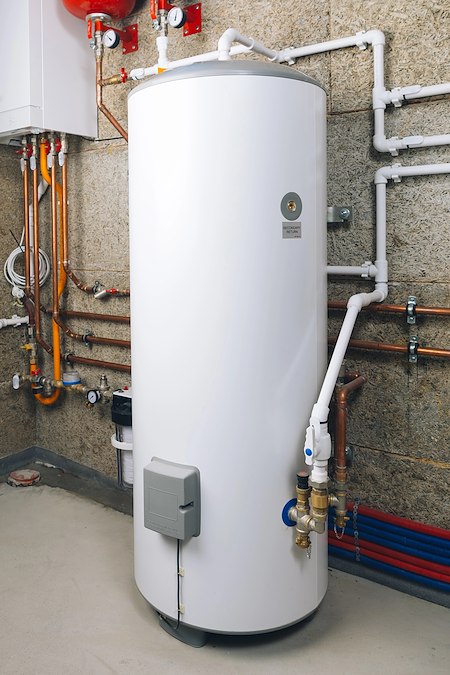
Whether you own a tank or tankless unit, the goal is the same. Cold water is heated by a gas burner or electric elements and delivered to your faucets at a steady temperature. Thermostats and sensors tell the heater when to heat and how hot to go. Safety devices shut things down if temperatures or pressures get out of range. When any of these parts fail or drift out of spec, you may lose hot water altogether or get short cycles of warm followed by cold.
Quick Signs To Note Before You Call A Plumber
Taking note of a few simple observations can speed up diagnosis. You do not need tools or to open any panels. Just pay attention to what you see, hear, and smell.
- Is there truly no hot water anywhere, or only at one fixture like a single bathroom?
- Did the problem start after recent electrical work, a power outage, or a gas utility visit?
- Do you notice rumbling, popping, or clicking sounds from the heater or pipes?
- Is the water lukewarm rather than cold, and does it run hot for a moment before turning cool?
- Are there puddles around the tank or moisture on nearby walls or the pan?
Do not try to relight a pilot or turn on a gas appliance if you smell gas. Leave the area and contact your utility or emergency services, then a licensed plumber.
Common Reasons You Have No Hot Water
Lost hot water usually comes down to fuel, power, or control issues. In our region, most homes in Oxford, CT rely on either natural gas or electricity for water heating. Here are the problems plumbers most often find when a home reports no hot water:
- Power or fuel supply interrupted. A tripped breaker, switched-off disconnect, closed gas valve, or utility outage can shut the system down.
- Failed heating element or burner. Electric elements can burn out. Gas burners may not ignite due to ignition or safety faults.
- Thermostat or sensor malfunction. If the control cannot read temperature correctly, it may never call for heat.
- Excessive sediment or scale. Mineral buildup insulates heat sources, slows recovery, and can trigger safety shutdowns.
- Flue and vent problems on gas units. Poor draft or blocked vents can stop ignition for safety.
- Pressure or temperature relief issues. Safety devices may trip if conditions are outside the normal range.
- For tankless units, flow rate or inlet temperature problems. If incoming water is too cold or flow is too low, the unit can fail to fire.
Each of these issues needs proper testing by a trained professional. Some are quick fixes. Others point to deeper wear, especially on older tanks.
Gas Tank Water Heaters: Why They Stop Heating
With gas models, loss of hot water often starts with ignition. If the pilot will not stay lit or the electronic igniter fails, the burner does not light. Flame sensors can get dirty and stop confirming a safe flame. Clogged burner ports or a restricted air supply can also prevent full combustion. Venting matters too. When wind or debris interferes with the flue, modern controls shut the system down for safety. A plumber will check gas supply, verify proper vent draft, confirm the igniter and flame sensor performance, and make sure combustion air is available.
Age plays a role. As tanks get older, sediment builds on the bottom, forcing the burner to run longer and hotter to do the same work. That added strain increases noise and can trigger limit switches. In many Oxford homes with well water or moderately hard city water, this buildup can move faster without routine maintenance. If the tank is near the end of its expected service life, your plumber will talk through reliability and the risk of repeated outages.
Electric Tank Water Heaters: Why They Go Cold
Electric heaters rely on one or two elements controlled by thermostats. A failed upper element or upper thermostat often means no hot water at all. A failed lower element typically shows up as short hot water cycles. Loose wiring or heat damage at the element connections can also cut power to the elements. In some cases, the high-limit safety switch trips because the thermostat is stuck closed or scale causes hotspots. A professional tests continuity on elements and thermostats, inspects wiring, and verifies that the high-limit control is operating correctly.
Because electric models usually have access panels and insulation, resist the urge to open anything yourself. There is live voltage and stored heat. Avoid touching electrical components or resetting safety switches without a licensed pro. That keeps you safe and prevents masking a problem that needs repair.
Tankless Water Heaters: When Hot Water Cuts Out
Tankless systems heat water on demand. When they fail to make hot water, two themes are common. First is fuel or power interruption. Second is flow. If fixtures restrict flow or filters clog, the unit may not sense enough water passing to start heating. Winter also challenges tankless performance because incoming water is colder. In January, the Naugatuck River Valley sees lower groundwater temperatures, so the heater must work harder to reach your set temperature. A plumber checks inlet filters, confirms required flow, verifies gas pressure or electrical supply, and looks for error codes that point to the specific fault.
Local Factors In Oxford, CT That Affect Hot Water
Local water quality and seasons affect performance and lifespan. Oxford sits near Southbury, Seymour, and Beacon Falls, and many homes use private wells. Minerals in well water contribute to scale on elements and inside tankless heat exchangers. Even on city water, moderate hardness accumulates over time. Seasonal swings matter too. Cold snaps raise demand on all types of heaters, and snow or leaf debris can block exterior tankless vents.
Local tip: scale buildup is the quiet thief of hot water. A quick annual inspection and flush helps keep recovery times strong, especially in Oxford’s colder months.
Ask your plumber to check anode condition, venting, and safety devices before the holiday guest season to prevent surprise cold showers.
How A Pro Diagnoses No-Hot-Water Issues
A professional plumber follows a structured checklist to zero in on the cause without guesswork. The visit starts by confirming the symptom at a faucet, then moves to the heater. From there, the plumber verifies fuel or power supply, control status, and safety devices. They take electrical readings on elements, test gas ignition safely, and compare performance to manufacturer specs. If scale or sediment is suspected, they inspect drain water and listen for telltale popping sounds during heating cycles. For tankless units, they review error history, inlet filters, and expected flow rates for the fixtures you use most.
Clear testing protects your system and budget. It also sets expectations. If a part is failing due to age, the plumber will explain the likelihood of repeated outages compared to replacing the unit. If you want to review options in advance, you can look over our water heater repair and replacement information and bring your questions.
When To Repair Versus Replace
Repair makes sense when the unit is within its typical service life, and the fault is isolated. Replacement deserves a closer look if multiple parts are worn or the tank itself shows signs of deterioration. While exact timelines vary by water quality, usage, and brand, here are common guideposts homeowners in Oxford consider when choosing between repair and replacement:
- Frequent outages or repeated tripping of safety controls over a short period.
- Visible signs of corrosion, leaks at fittings, or water marks around the base.
- Units approaching or beyond a typical service life for their type.
- Changing household needs such as a new bathroom or more family members.
- Interest in efficiency improvements or recapturing space with a different type of heater.
Your plumber will walk through the pros and cons of each path. There is no one-size answer. The goal is reliable hot water with the least disruption for your home and schedule in neighborhoods like Quaker Farms and Southford.
Why Recovery Time Matters
Not all no-hot-water problems are total failures. Sometimes the tank heats, but recovery time is too slow to meet morning demand. Sediment buildup is a top cause. The heater wastes energy trying to push heat through the layer of minerals. In other cases, the thermostat is set modestly and long pipe runs allow heat loss before water reaches your fixtures. A pro can identify whether the issue is slow recovery or a true no-heat condition. That difference helps you avoid changing parts that are not the problem.
Protect Your Water Heater And Avoid Future Surprises
Simple habits protect your investment. Keep the area around the heater clear so it can breathe and be serviced. Know where the shutoff valves and disconnects are located in case of emergencies. If your home uses a water softener, make sure it is maintained, since over- or undersoftening can affect corrosion and scaling. A yearly check by a licensed plumber helps verify thermostat accuracy, safety devices, and venting. Scheduling maintenance before peak winter demand is one of the best ways to prevent hot water issues.
How Weather And Use Patterns In Oxford Change The Picture
Oxford winters tighten utility supplies and increase hot water demand. Early school mornings and back-to-back showers strain tanks that were sized for smaller households. Holidays bring guests, and laundry loads climb. On the flip side, spring projects and outdoor cleanups can shift hot water use to utility sinks and hose bibs. Share your schedule with your plumber during a visit. That way, the solution fits the way your family actually uses hot water across the seasons.
What To Expect From A Licensed Plumber
A trustworthy plumber will start with clear communication. They will explain what they are testing and why, discuss safety findings, and outline options. Many repairs are completed in one visit if standard parts are on the truck. If a replacement is the smarter long-term fix, your plumber will size the system correctly and coordinate installation to minimize downtime. You can always start from our home to explore more about The Plumbing King and other plumbing services in one place.
Restore Hot Water With Confidence
Going without hot water disrupts everything from showers to dishes. You deserve quick answers and a solution that lasts. A careful diagnostic saves time and avoids replacing parts that are not the cause. If your home in Oxford, CT needs service, for fast water heater repair in Oxford, CT, call The Plumbing King at 203-447-9622. We will confirm the cause, discuss clear options, and get your home back to normal.
When you are ready to talk about next steps, reach out to our team. We offer licensed, local plumbing service backed by friendly guidance and punctual arrivals. If you prefer to read more before scheduling, you can always start with our overview of water heater services to see repair and replacement paths side by side.
If you notice active leaks, turn off the water supply to the heater and keep the area clear until a pro arrives. That protects flooring, walls, and stored belongings.
Need dependable help today? The Plumbing King is here to solve no hot water issues the right way, starting with a thorough assessment and clear communication. Call us at 203-447-9622, and we will take it from there.
You Deserve The Best With The Plumbing King!
Contact Us Today With Any Plumbing Repairs In Shelton Or Surrounding Areas!